Prices as listed by En Route.
The retailer’s price may differ.
Buying outside the United States
- Paperback, AustraliaAmazon
- Kindle, AustraliaAmazon
Bookstores, parishes, and schools:
Order direct at a discount.
- Subject
- Faith and Morals
- Reading lists
- The Christian East and West
- Formats
- Paperback, Kindle, Audible
- Publisher
- En Route Books and Media
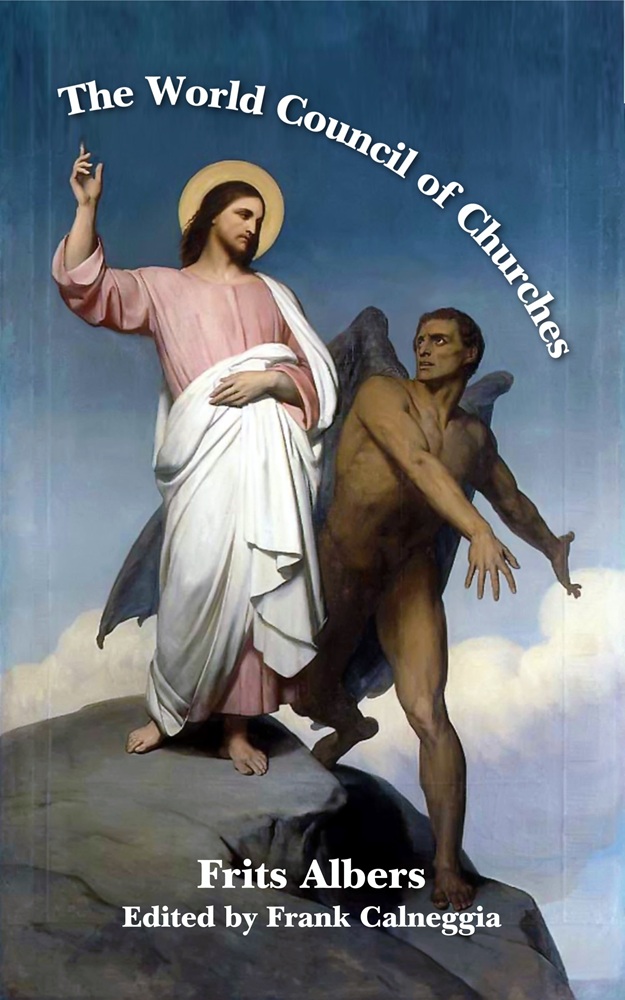
The World Council of Churches
The World Council of Churches by Frits Albers offers a forceful theological critique of the ecumenical movement through a distinctly Catholic lens. Drawing on Scripture, Church teaching, and historical analysis, Albers examines the origins, doctrines, and global ambitions of the World Council of Churches, arguing that its vision of unity departs from apostolic faith and sacramental tradition. This work challenges readers to reflect deeply on ecclesial identity, doctrinal fidelity, and the meaning of authentic Christian unity.
Praise
“Albers writes with clarity and conviction, guiding readers through complex ecumenical questions while remaining firmly anchored in Catholic doctrine, inviting serious reflection on unity, truth, and the enduring identity of the Church.”
About the Author
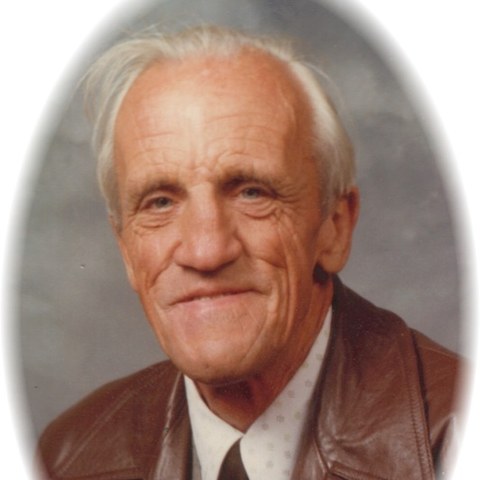
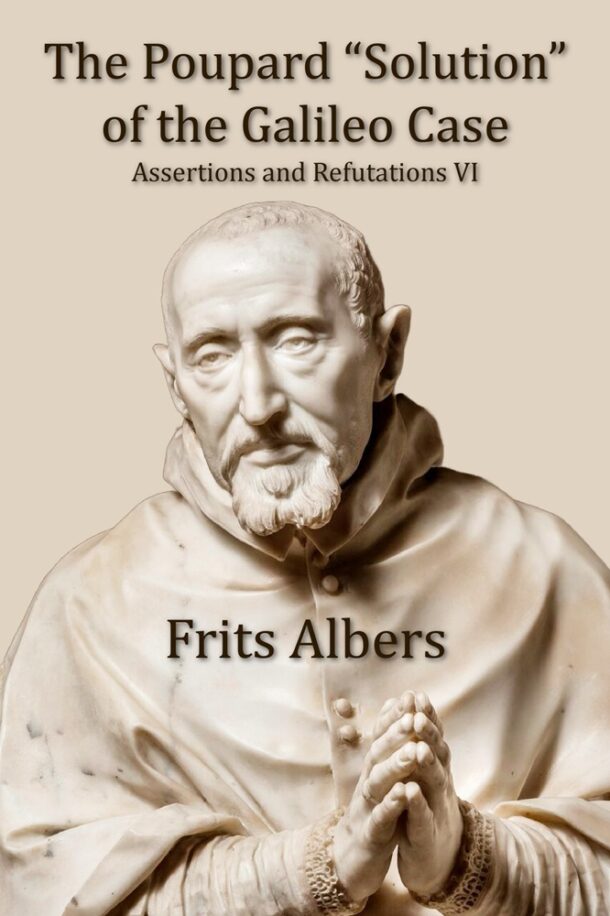
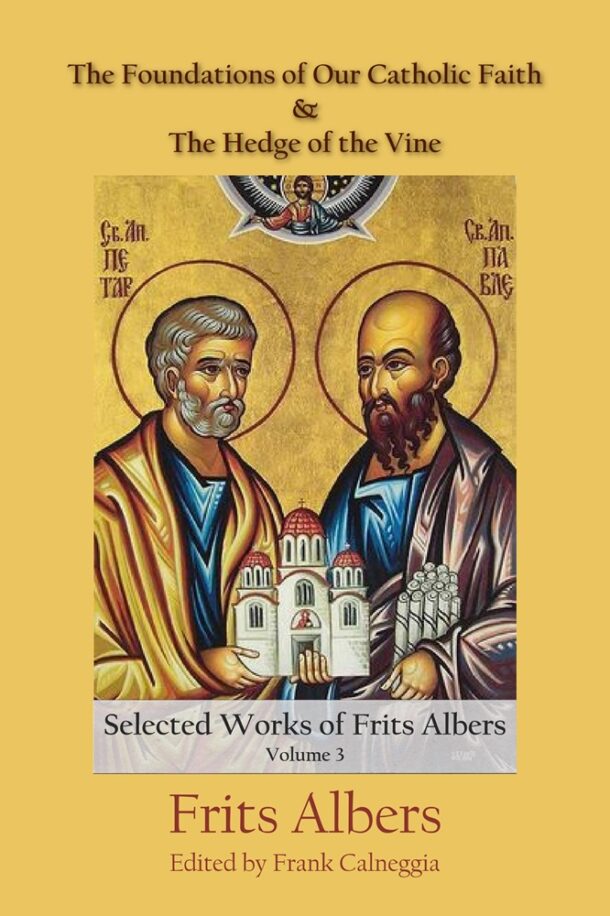
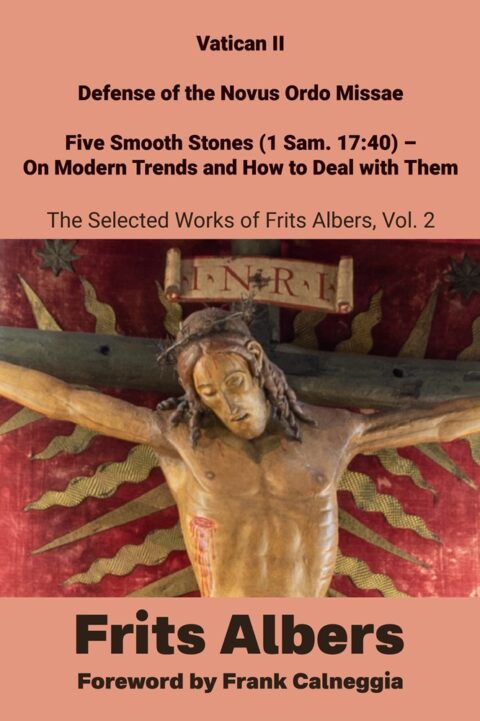
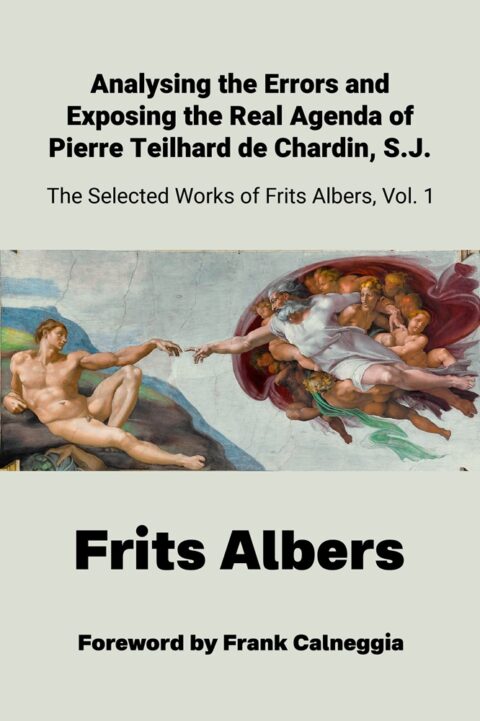
Frits Albers Ph. B (1921-2000) was born in Holland and studied under the Jesuits at Nijmegen during the 1940s. He emigrated to Australia in 1951, and travelled extensively within the south-east region of the ‘lucky country’. He joined the Department of Education in Victoria and worked as a high school teacher who specialised in mathematics, French and English.
In the early post Vatican II period he realised that the strange interpretations of the recently concluded Council that were being forced upon Catholics were under pinned by the same philosophy he had been taught in the 1940’s by the Jesuits at Nijmegen in the name of St Thomas Aquinas, but which in reality was the systematic Modernism of Pierre Teilhard De Chardin, S.J. Thus, in the early 1970’s he began writing articles and books to expose the philosophical root of these errors and aberrations of Teilhard De Chardin, and to defend Catholic Faith, clear thinking, and right philosophy.
About the Editor
The editor is a retired electrical engineer who worked for most of his professional career in the specialist area of power generation. In a sabbatical year, he completed post graduate research in the History and Philosophy of Science at the University of Melbourne. He has long loved the philosophy of St Thomas Aquinas.