Prices as listed by En Route.
The retailer’s price may differ.
Buying outside the United States
- Paperback, AustraliaAmazon
- Kindle, AustraliaAmazon
Bookstores, parishes, and schools:
Order direct at a discount.
- Subject
- Faith and Morals
- Formats
- Paperback, Kindle, Audible
- Publisher
- En Route Books and Media
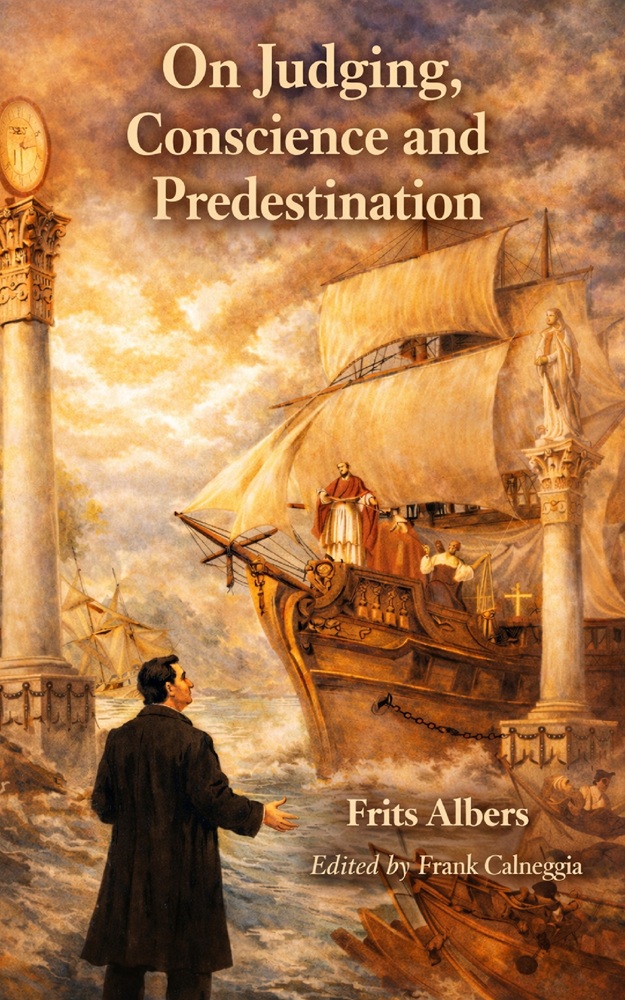
On Judging, Conscience and Predestination
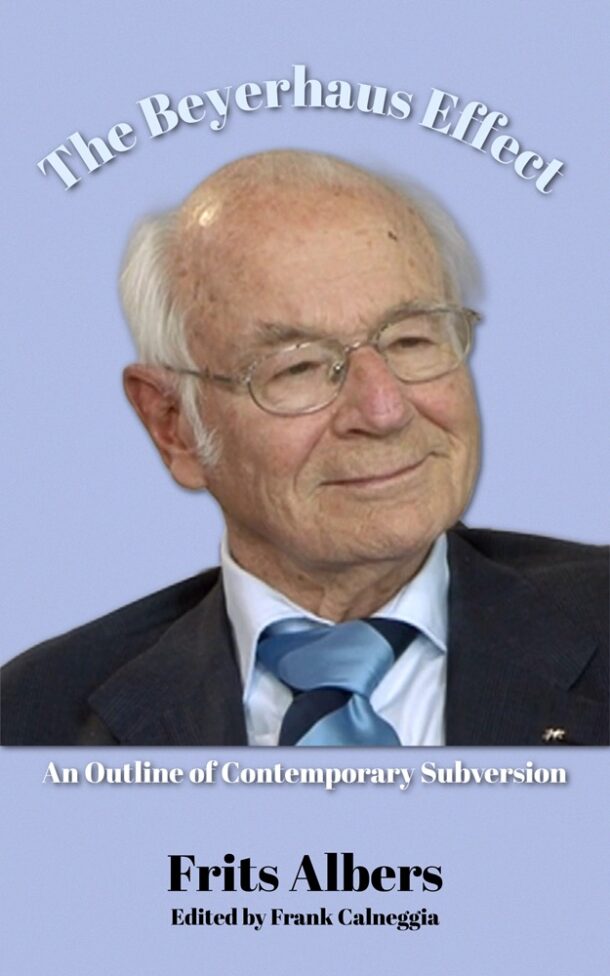
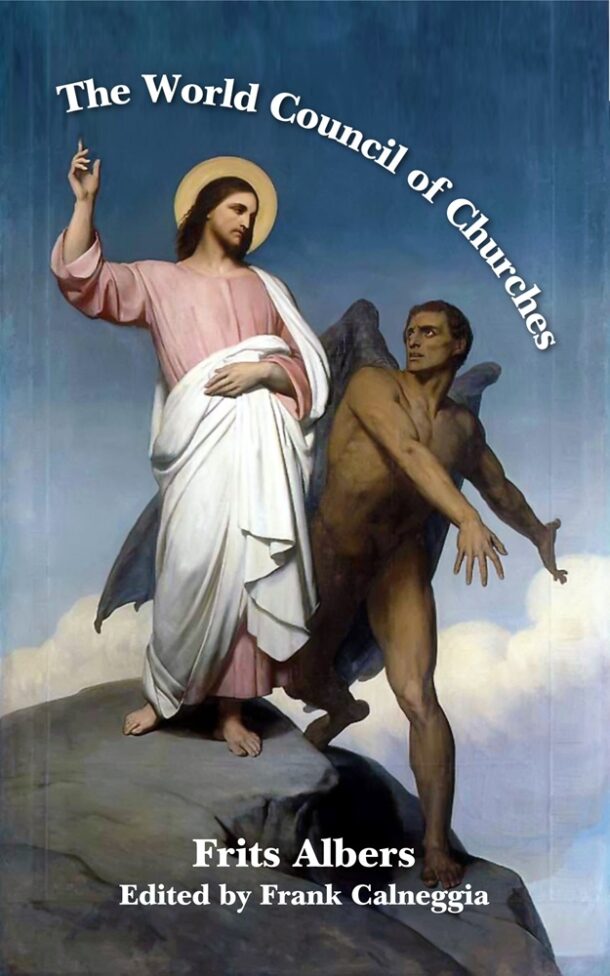
This book is actually the third in a series dealing with a quasi-religious phenomenon of relatively recent times called “The World Council of Churches”. The central book simply has the title of the organisation, but the author found a Protestant (Lutheran) pastor, Professor Dr. Peter Beyerhaus, who could see the disastrous direction in which the organisation was heading. Thus Frits Albers wrote the first in the series called “The Beyerhaus Effect” in 1977. Both of these books have been published quite recently by En Route Books and Media. We recommend that those who read this description read also the descriptions of the two already published.
This book the third entitled “Judgement, Conscience and Predestination” was written only three months after the central one in 1991. For the author evidently saw the need to complete his “argument” (in fact a trenchant critique, thoroughly founded in Scripture and the teaching of the Common Doctor of the Church Saint Thomas Aquinas) against an organisation that is justly held to be a leading player in what Pope Saint Pius X described in 1910 as “the great movement of apostasy being organised in every country for the establishment of a One World Church”.
That movement is more influential today than it was when Frits Albers wrote, though he saw clearly then its potential to infiltrate the very practices of the Catholic Church and have a malign influence on the shepherd’s teaching role of the episcopacy itself. No one needs any convincing of this today. For Australians just note the fact that in 1994 the ACBC blindly joined the Australian branch of the WCC.
There are of course many, including Catholics, even Dominicans, who have been taken in by the organisation’s claim to be the new “Christian Church” of the future displacing the Catholic Church of the past (2000 years). One does not have to have unity in doctrine to be a member. Suits many a modern liberated religious person.
Frits Albers was one of the few who saw the errors/heresies that lay hidden within the initially violent revolt, but persisting in veiled forms, against the divine authority of the Catholic Church, dating from the Protestant “Reformation”. He neatly combines them into a collection of the misinterpretations of the traditional teaching on Faith and Morals with regard to Judging, Conscience and Predestination. Anyone familiar with Protestant theology will readily recognise this. The reader who carefully studies what he has to say will gain an education in those matters not only central to the teaching with regard to the practice of the Faith but also as he acutely points out, following closely St. Thomas, to the understanding at the level of natural morality. The treatment on the common difficulty of reconciling the two levels of making judgements of others, between the inner state of their souls and the evident everyday necessity to judge them by their actions, and omissions, is particularly instructive even for those well versed in Moral Philosophy.
However, there can be no doubt that the reader will find for himself the value of this third book.
Praise
“As is evident this book is the third in a series. The first is anticipatory, the second a trenchant criticism of an organisation of disparate ‘churches’ espousing diverse and even contradictory theological positions amongst themselves and united only in their explicit opposition of what the Catholic Church openly stands for. It is nothing less than shocking that a social body calling itself Catholic should join with it in any organised way. By all means ‘dialogue’ with it, but not at the cost of contradicting oneself and compromising one’s basic truths of Faith.
“This third book goes specifically into the bases of such blatant opposition to what Catholicism stands for, on understanding what Predestination, Conscience and Judging others mean. The opposed dictions could not be more contra, even from a natural rational point of view, as the author shows so marvelously.
“This is no ordinary treatment of the subject. I apply to this book what has been said in other testimonials about the two previous ones.
“On The Beyerhaus Effect by Dr. Sebastian Mahfood: “This work speaks with clarity, faith and intellectual courage, inviting readers to think deeply, pray honestly, and engage the world with renewed conviction. It is both challenging and profoundly hopeful. A gift to the Church.”
“On The World Council of Churches by Dr. Sebastian Mahfood, OP: “Albers writes with clarity and conviction guiding readers through complex ecumenical questions whilst remaining firmly anchored in Catholic doctrine, inviting serious reflection on unity, truth and the enduring identity of the Church”. I simply note the identifying of the Church with the Catholic Church.
“I would add, however, that included in Catholic doctrine are Natural Morals and that the teaching on Judging, Conscience and Predestination can be seen also at the level of natural reason as is explained by Aquinas. Albers, like few other Catholic authors today, brings this out beautifully.”
“Albers offers a bracing and intellectually disciplined defense of Catholic moral theology, calling readers to recover clarity of conscience, reverence for tradition, and confidence in divine providence amid the confusions of modern theological discourse.”
About the Author
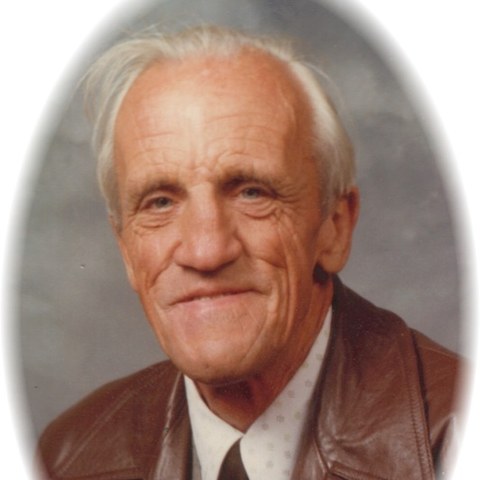
Frits Albers Ph. B (1921-2000) was born in Holland and studied under the Jesuits at Nijmegen during the 1940s. He emigrated to Australia in 1951, and travelled extensively within the south-east region of the ‘lucky country’. He joined the Department of Education in Victoria and worked as a high school teacher who specialised in mathematics, French and English.
In the early post Vatican II period he realised that the strange interpretations of the recently concluded Council that were being forced upon Catholics were under pinned by the same philosophy he had been taught in the 1940’s by the Jesuits at Nijmegen in the name of St Thomas Aquinas, but which in reality was the systematic Modernism of Pierre Teilhard De Chardin, S.J. Thus, in the early 1970’s he began writing articles and books to expose the philosophical root of these errors and aberrations of Teilhard De Chardin, and to defend Catholic Faith, clear thinking, and right philosophy.
About the Editor
The editor is a retired electrical engineer who worked for most of his professional career in the specialist area of power generation. In a sabbatical year, he completed post graduate research in the History and Philosophy of Science at the University of Melbourne. He has long loved the philosophy of St Thomas Aquinas.